Understanding the Technology behind Buying Cheap Twitter Like Services
People often use the terms “software” and “application” interchangeably, but they are not exactly the same. An application is a type of software designed to perform specific tasks for users, while software is the broader category that includes operating systems, utilities, drivers, system services, and applications. Social media provides a useful real-world example of this distinction. When someone uses Twitter, now known as X, to publish a post or interact with content, they are interacting with an application supported by numerous layers of software operating behind the interface. Even services marketed with terms such as “buy Twitter likes cheap” operate within this wider technology ecosystem.
Software is the Broader Technology Category
Computer software refers generally to the instructions, programs, and systems that tell computer hardware what to do. This category includes operating systems such as Windows and Linux, hardware drivers, security utilities, databases, development tools, and user-facing applications.
A computer application is therefore a subset of software. Applications are created to help users perform particular activities, such as editing documents, browsing websites, communicating with others, or managing financial information.
The distinction becomes easier to understand through a simple comparison. An operating system provides fundamental services that allow a computer to function, while a word processor operates on top of that system to provide a specific user task. Both are software, but the word processor is specifically an application.
This layered structure also exists within online services, including social media platforms.
How Software Supports a Social Media Application?
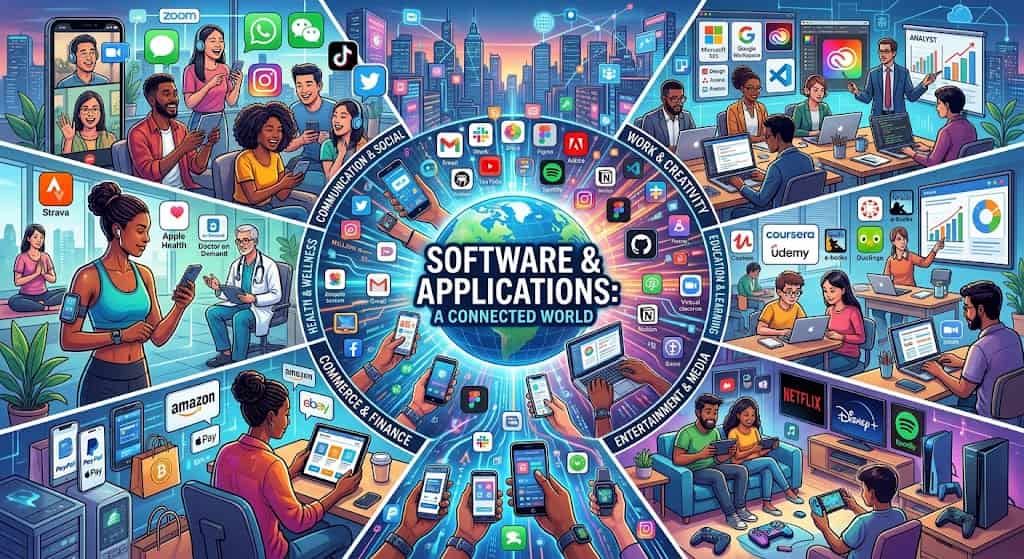
The Twitter/X application provides the interface users see when they log into the platform. Through this interface, users can create posts, view timelines, like content, send messages, and manage their accounts. However, the visible application is only one component of the overall system.
Behind the interface are many software systems responsible for storing account information, processing requests, authenticating users, managing databases, delivering content, and handling interactions. Algorithms and data-processing systems can also help determine how content is organized and presented to users.
When someone clicks the like button, the application sends information to backend systems. Those systems process and store the interaction, allowing the platform to associate the like with a particular post and account. The visible button is therefore only the user-facing portion of a much larger software infrastructure.
Where Third-Party like Services Fit into the Technology
Third-party services that sell social engagement packages provide another example of how applications and software systems interact. A service may operate through a website application where customers select a package, provide a social media post or account identifier, and monitor the status of an order.
The website itself is an application designed to provide a particular service. Its backend software may manage customer information, orders, payment processing, databases, and automated workflows. Depending on how the service operates, other software systems may handle communication with external platforms or coordinate the delivery of services.
This does not mean that every engagement service uses the same technology or that every automated interaction is permitted by a social platform. Third-party services can operate under different technical models, and users should consider platform rules, security, privacy, and authenticity before using them.
The example demonstrates an important point: applications are often connected to multiple software systems that users never directly see.
Automation Connects Different Layers of Digital Services
Modern online platforms depend heavily on automation. Software can execute repetitive processes, move information between systems, generate notifications, maintain databases, and monitor transactions without requiring a person to manually perform every individual operation.
For social media, automation can support legitimate functions such as scheduling posts, analyzing engagement, managing advertising campaigns, and providing customer-service workflows. Third-party marketing platforms may also use automated systems to manage campaigns and reports.
However, automation does not automatically make an activity legitimate or valuable. A service can technically generate interactions while providing little genuine audience engagement. This is why the technical operation of a service should be distinguished from the marketing value of its results.
Understanding the Technology behind the Interface
The relationship between Twitter/X, its application, backend systems, and third-party services illustrates why “software” and “application” should not be treated as identical terms. Software encompasses the broader collection of programs and systems that make computing possible, while applications are user-oriented programs designed for particular functions.
A social media application may look simple on a smartphone screen, but its operation depends on databases, authentication systems, servers, algorithms, APIs, security mechanisms, and other software components. Third-party services add another layer of applications and automated systems that interact with the digital environment.
Understanding these layers helps explain what happens behind familiar online actions such as posting, liking, sharing, and tracking engagement. It also encourages users to look beyond visible numbers and interfaces when evaluating digital services. The technology behind an application determines how information moves, how interactions are processed, and ultimately how users experience the platform.