Skip to content

software solutions

Understanding the Technology behind Buying Cheap Twitter Like Services

People often use the terms “software” and “application” interchangeably, but they are not exactly the same. An application is a type of software designed to perform specific tasks for users, while software is the broader category that includes operating systems, utilities, drivers, system services, and applications. Social media provides a useful real-world example of this distinction. When someone uses Twitter, now known as X, to publish a post or interact with content, they are interacting with an application supported by numerous layers of software operating behind the interface. Even services marketed with terms such as “buy Twitter likes cheap” operate within this wider technology ecosystem.

Software is the Broader Technology Category

Computer software refers generally to the instructions, programs, and systems that tell computer hardware what to do. This category includes operating systems such as Windows and Linux, hardware drivers, security utilities, databases, development tools, and user-facing applications.

A computer application is therefore a subset of software. Applications are created to help users perform particular activities, such as editing documents, browsing websites, communicating with others, or managing financial information.

The distinction becomes easier to understand through a simple comparison. An operating system provides fundamental services that allow a computer to function, while a word processor operates on top of that system to provide a specific user task. Both are software, but the word processor is specifically an application.

This layered structure also exists within online services, including social media platforms.

How Software Supports a Social Media Application?
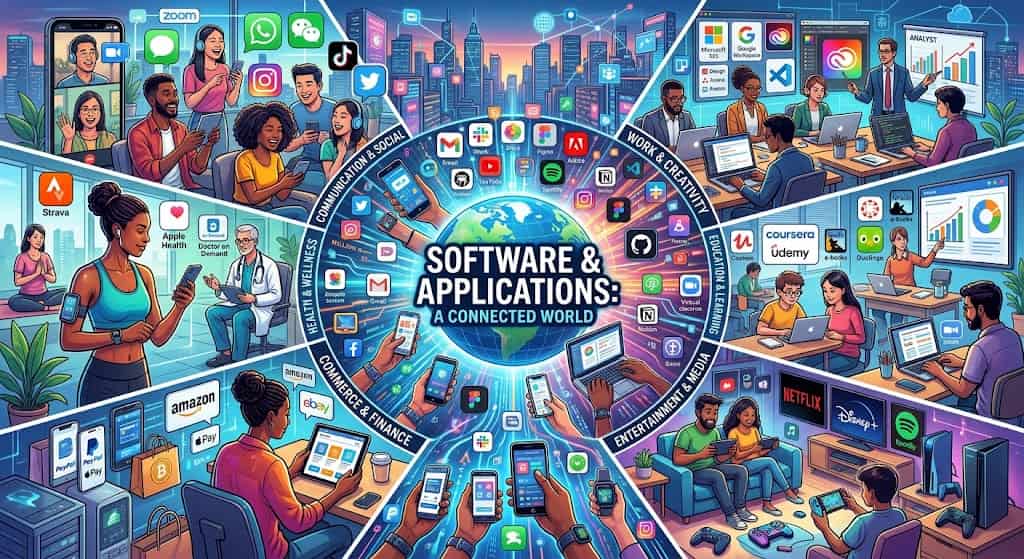
The Twitter/X application provides the interface users see when they log into the platform. Through this interface, users can create posts, view timelines, like content, send messages, and manage their accounts. However, the visible application is only one component of the overall system.

Behind the interface are many software systems responsible for storing account information, processing requests, authenticating users, managing databases, delivering content, and handling interactions. Algorithms and data-processing systems can also help determine how content is organized and presented to users.

When someone clicks the like button, the application sends information to backend systems. Those systems process and store the interaction, allowing the platform to associate the like with a particular post and account. The visible button is therefore only the user-facing portion of a much larger software infrastructure.

Where Third-Party like Services Fit into the Technology

Third-party services that sell social engagement packages provide another example of how applications and software systems interact. A service may operate through a website application where customers select a package, provide a social media post or account identifier, and monitor the status of an order.

The website itself is an application designed to provide a particular service. Its backend software may manage customer information, orders, payment processing, databases, and automated workflows. Depending on how the service operates, other software systems may handle communication with external platforms or coordinate the delivery of services.

This does not mean that every engagement service uses the same technology or that every automated interaction is permitted by a social platform. Third-party services can operate under different technical models, and users should consider platform rules, security, privacy, and authenticity before using them.

The example demonstrates an important point: applications are often connected to multiple software systems that users never directly see.

Automation Connects Different Layers of Digital Services

Modern online platforms depend heavily on automation. Software can execute repetitive processes, move information between systems, generate notifications, maintain databases, and monitor transactions without requiring a person to manually perform every individual operation.

For social media, automation can support legitimate functions such as scheduling posts, analyzing engagement, managing advertising campaigns, and providing customer-service workflows. Third-party marketing platforms may also use automated systems to manage campaigns and reports.

However, automation does not automatically make an activity legitimate or valuable. A service can technically generate interactions while providing little genuine audience engagement. This is why the technical operation of a service should be distinguished from the marketing value of its results.

Understanding the Technology behind the Interface

The relationship between Twitter/X, its application, backend systems, and third-party services illustrates why “software” and “application” should not be treated as identical terms. Software encompasses the broader collection of programs and systems that make computing possible, while applications are user-oriented programs designed for particular functions.

A social media application may look simple on a smartphone screen, but its operation depends on databases, authentication systems, servers, algorithms, APIs, security mechanisms, and other software components. Third-party services add another layer of applications and automated systems that interact with the digital environment.

Understanding these layers helps explain what happens behind familiar online actions such as posting, liking, sharing, and tracking engagement. It also encourages users to look beyond visible numbers and interfaces when evaluating digital services. The technology behind an application determines how information moves, how interactions are processed, and ultimately how users experience the platform.


Maximizing Business Output during Migration to S4HANA with the Right Software

The efficient operation of any modern business relies heavily on the strategic use of various computer software, especially during transformative initiatives like migration to S4HANA, where efficiency, accuracy, and collaboration are critical. While the specifics may vary depending on the industry and tasks at hand, certain categories of software remain universally valuable for enhancing productivity, streamlining workflows, and supporting complex system transitions. Considering the diverse needs of today’s workforce, exploring different types of useful and productivity-boosting computer software can significantly improve operational efficiency and ensure smoother project execution.

To understand how these tools can empower teams and optimize performance, there are several key software categories that contribute large to a more productive and organized work environment.

Communication and Collaboration Tools

Effective communication is the cornerstone of any successful team, as it ensures that ideas, feedback, and instructions are shared clearly and promptly. Today’s range of software solutions makes this possible across various contexts from email, client support, and structured correspondence, while instant messaging platforms enable quick, informal exchanges that speed up decision-making.

Video conferencing tools bridge geographical gaps, allowing for face-to-face discussions, brainstorming sessions, and presentations without the need for travel. Collaboration software takes this a step further by enabling teams to co-edit documents, manage projects, and track tasks in real-time, ensuring everyone works from the same up-to-date information. 

With features like shared workspaces, integrated task boards, and version control, these tools indeed promote stronger teamwork. Not to mention, it is proven effective in reducing errors, duplicated effort, and miscommunication, ultimately keeping projects on track and relationships strong.

Time Management and Organization Software

Staying organized and managing time effectively are essential for maintaining high productivity levels, both individually and as a team. Beyond simply keeping track of deadlines, these tools create structure, reduce mental clutter, and promote accountability. Calendar applications not only schedule appointments and send reminders but also help allocate time for deep work and minimize scheduling conflicts. 

Task management software offers visibility into priorities and progress, enabling teams to stay aligned and adapt quickly to changes. Note-taking applications ensure that valuable ideas, meeting notes, and research are easily captured and retrieved when needed, preventing information loss. Project management software brings all these elements together, offering timelines, resource allocation, and real-time updates, which keep projects on track and stakeholders informed.

When used consistently, these tools can transform workflow efficiency and help teams focus on meaningful work rather than firefighting tasks.

Data Analysis and Reporting Software

While not always directly considered “productivity boosters,” software that aids in data analysis and reporting plays a big part in informed decision-making, which ultimately contributes to efficiency. Spreadsheet software allows for data organization, calculation, and visualization. Business intelligence tools provide more advanced analytics capabilities, helping to identify trends and insights. Reporting software automates the process of generating summaries and presentations, saving time and improving communication of key information.

Utility and System Software

Various utility software applications can also enhance computer productivity by optimizing system performance and simplifying common tasks. Users can take advantage of file management tools in terms of organizing, and locating files easily. Security software protects against threats that can disrupt productivity. While often operating in the background, these types of software are essential for maintaining a smooth and efficient computing environment.

Transforming App Development with Progressive Web Apps (PWAs): The Future of Software Solutions

Progressive Web Apps (PWAs) transform how businesses develop and distribute software. Unlike traditional applications, PWAs offer the functionality of native apps combined with the convenience of web access. ROIBest, a Singapore-based company specializing in cutting-edge Android PWA solutions, is in charge of this innovative space. Their technology allows developers to bypass conventional app store limitations, opening new doors for app deployment and user engagement.

Breaking Away from Traditional App Stores

One of the standout features of ROIBest’s solution is its ability to bypass traditional app distribution channels. Developers can deploy applications directly via web browsers through their PWA app store technology, eliminating the need for time-consuming app store approvals. This approach saves time and reduces costs associated with app store fees. For businesses, this means greater control over app updates and enhanced flexibility in reaching their audience (source: PWA 应用商店).

Enhancing User Engagement

User engagement is at the core of ROIBest’s PWA offerings. These apps integrate features like push notifications and traffic deduplication, ensuring that users stay connected and engaged. Unlike traditional apps, PWAs load quickly and offer seamless offline capabilities, improving user satisfaction. ROIBest’s intelligent notification system also ensures that users receive relevant updates without feeling overwhelmed.

The ability to run PWAs directly from a web browser also enhances accessibility. Users can simply bookmark or pin a PWA to their device’s home screen without downloading large installation files. This frictionless experience is critical in today’s fast-paced digital world, where convenience often determines a product’s success.

Cost-Efficiency at Its Best

Another significant advantage of ROIBest’s technology is cost efficiency. Traditional app stores often charge a percentage of in-app purchases or subscription fees. Businesses can bypass these charges by distributing apps directly through PWAs, increasing their return on investment (ROI). Furthermore, the reduced need for platform-specific development translates to lower upfront costs, making it a win-win for developers and businesses alike.

Recognized Excellence

ROIBest’s contributions to the tech world have not gone unnoticed. In 2024, they were awarded the “Best Service Provider of the Year” at the Global Pioneers Conference in Shenzhen, China. This accolade underscores their role as a leader in PWA innovation. The recognition reflects their commitment to providing top-tier solutions that meet the evolving needs of businesses in a competitive market.

The Team Behind the Success

ROIBest’s success stems from its team of seasoned developers, many of whom bring experience from leading companies like Google. This expertise ensures that their solutions are not only innovative but also reliable and scalable. The team’s dedication to continuous improvement means clients always have access to the latest advancements in PWA technology.

The Future of Software Development

The rise of PWAs represents a significant shift in the software development landscape. By combining the best of web and native app technologies, PWAs offer unparalleled benefits in terms of accessibility, performance, and cost-effectiveness. Companies like ROIBest are at the forefront of this transformation, providing businesses with the tools they need to thrive in a digital-first world.

As more businesses adopt PWAs, the traditional app store model may become less relevant. ROIBest’s vision of a future where simpler, faster, and more cost-effective software distribution is already becoming a reality. With their innovative solutions, they are not just keeping up with the times but defining the future.

READ ALSO: Essential Features Every Computer Software Should Have

Conclusion

ROIBest’s pioneering approach to Progressive Web Apps is revolutionizing app development and deployment. By removing the barriers of traditional app stores, enhancing user engagement, and maximizing cost-efficiency, they are setting a new standard in the software industry. For businesses looking to stay ahead in an ever-evolving market, embracing PWA technology with ROIBest’s expertise could be the key to long-term success.

Building Trust in Computer Software with Verified Twitter Accounts

twitter for computer software

Trust plays a critical role in marketing software solutions. Verified Twitter accounts offer a unique opportunity to build this trust. These accounts are often perceived as more credible and authoritative, making them valuable tools for marketing efforts. By leveraging these accounts, businesses can enhance their online presence and reach a wider audience more effectively.

One significant advantage of using verified or aged Twitter accounts is their established credibility. When users see the blue verification checkmark or notice that an account has been active for years, they’re more likely to trust the content shared from these accounts. This trust can translate into higher engagement rates, more retweets, and ultimately, better marketing outcomes.

Purchasing verified accounts must be done cautiously to ensure compliance with Twitter’s guidelines. Not all account sellers are reputable, and some may offer accounts that have been obtained or maintained through questionable means. It’s essential to research sellers thoroughly before making a purchase. Platforms like XGACC offer verified accounts, ensuring a level of trustworthiness and compliance with platform guidelines.

Benefits of Using Verified Twitter Accounts for Marketing Software Solutions

Enhanced Credibility

Verified accounts are perceived as more trustworthy and reliable. They signal to users that the account is authentic and credible. This is particularly important for software companies aiming to establish trust with potential customers.

Increased Engagement

Verified accounts typically see higher engagement rates. Tweets from these accounts are more likely to be retweeted, liked, and shared, leading to a broader reach and more significant impact.

Improved Visibility

Twitter’s algorithm favors verified accounts, often giving their tweets more visibility. This increased visibility can help software companies reach a larger audience and improve their brand’s online presence.

Faster Growth

Verified accounts can grow their follower base more quickly due to their perceived credibility and increased visibility. This faster growth can translate into more opportunities for engagement and conversion.

Steps to Ensure Compliance with Platform Guidelines

  1. Research Reputable Sellers: Before purchasing a verified or aged Twitter account, it’s crucial to research the seller. Look for reviews and testimonials from other buyers to gauge their reliability.
  2. Understand Twitter’s Policies: Familiarize yourself with Twitter’s guidelines on account verification and usage. This knowledge will help you ensure that your purchased account remains compliant with the platform’s rules.
  3. Avoid Questionable Sellers: Steer clear of sellers who offer accounts at suspiciously low prices or make unrealistic promises. These accounts are likely to be flagged or suspended by Twitter.
  4. Use the Account Responsibly: Once you’ve purchased a verified account, use it responsibly. Avoid spamming or sharing misleading information, as this can result in penalties or suspension.
  5. Monitor Account Activity: Regularly monitor the activity of your purchased account to ensure it remains compliant with Twitter’s guidelines. Address any issues promptly to avoid potential problems.

Leveraging Verified Twitter Accounts for Marketing Campaigns

Building a Strong Online Presence

Using verified Twitter accounts allows software companies to build a strong online presence. Consistently sharing valuable content, engaging with followers, and participating in relevant conversations can help establish the company as a thought leader in the industry.

Creating Engaging Content

To maximize the benefits of verified accounts, it’s essential to create engaging content. This includes sharing updates about software solutions, offering tips and insights, and responding to user queries and comments.

Collaborating with Influencers

Partnering with industry influencers can amplify the reach of your marketing campaigns. Influencers with verified accounts can help promote your software solutions to their followers, driving more engagement and interest.

Hosting Twitter Chats

Twitter chats are an excellent way to engage with your audience and showcase your expertise. Hosting regular chats on topics related to your software solutions can attract participants and foster meaningful discussions.

Tracking Performance

Use Twitter’s analytics tools to track the performance of your verified account. Monitor key metrics such as engagement rates, follower growth, and tweet impressions to assess the effectiveness of your marketing efforts.

READ ALSO: Leveraging Computer Software for Better Results from TikTok View Purchases

Conclusion

Verified Twitter accounts offer a valuable advantage for marketing software solutions. By leveraging the credibility, engagement, and visibility of these accounts, software companies can enhance their online presence and reach a wider audience. It’s essential to ensure compliance with platform guidelines when purchasing and using these accounts. By following best practices, businesses can effectively utilize verified Twitter accounts to build trust and achieve their marketing goals.

𐌢