Browser-Based Tools or Desktop Software: How to Choose for Everyday Tasks
 Excel for the web can create, edit, and share spreadsheets through a browser, while its desktop counterpart supports features that behave differently or remain unavailable online. Documentation from Microsoft illustrates why choosing software means looking beyond where it opens. For freelancers, office workers, and students, the useful question is whether a tool handles the actual task reliably.
Start by defining what you need to produce. A categorized directory such as Juso On-gil’s latest link collection (최신 링크모음) can provide a starting point for discovering document, design, and productivity tools. Its listings should lead to further checks on official product websites. Compare supported devices, file handling, and export options before deciding whether browser access or desktop installation suits your routine.
Does avoiding installation make work easier?
Browser tools offer a straightforward entry point for occasional tasks. PDF24 explains that its online tools work through a web browser without installing additional software. For someone merging a few public documents, that approach may be enough. Consider whether creating another permanent installation is worthwhile for a job you rarely perform.
Desktop software asks for a different commitment. The same provider distributes PDF24 Creator as an installed Windows application. That makes operating system support an immediate selection criterion. Before downloading any desktop candidate, check its official requirements and confirm that installation is permitted on your computer, particularly when your employer manages the device.
Judge convenience across the whole assignment. Try opening a source file, making the required changes, and saving the result. Include setup time in your comparison, then repeat the task. Decide whether the browser option remains simpler after several uses or whether an installed application better suits your preferred working process.
What happens when the connection disappears?
Browser access does not automatically mean constant connectivity is required. Google documents offline editing for Docs, Sheets, and Slides. On computers, its instructions require advance setup, a supported Chrome or Edge browser, the offline extension, and enough storage. Private browsing is excluded. Prepare the files before relying on this option away from a connection.
That qualification matters when planning travel or working somewhere with unreliable service. When exploring options such as progressive web apps, test offline functionality rather than assuming it is included. Open the exact document while disconnected and check whether you can edit it and retain changes. Treat offline availability as a feature to verify for each application.
Desktop software offers a clearer alternative when the selected product explicitly supports local work. PDF24 states that Creator operates offline and keeps processing files on the computer. For a regular document preparation routine, that capability may justify installation. Still, check each candidate individually before assuming every function works without an internet connection.
Privacy depends on where processing happens
The distinction becomes more concrete when documents contain sensitive information. PDF24 says its online tools process uploaded files on servers and delete them automatically within one hour after processing. Its desktop product keeps files locally. These are different processing arrangements, even when the tools perform similar document tasks.
Use that example to frame your own checks. Ask where files go, how long they remain there, and whether manual deletion is available. Read the provider’s privacy information before uploading client records or internal documents. If workplace rules limit external uploads, ask which approved application meets those requirements.
Review settings separately from product labels. Check who can access a shared file and which permissions you have granted. For desktop work, examine the chosen save location and any connected sharing features. Prefer an arrangement you can explain clearly: where the working copy lives, who receives it, and how you remove it.
Will the finished file meet the requirements?
Compatibility needs a practical test. Microsoft notes that Excel for the web can open macro-enabled workbooks, but macros do not run in the browser. It also documents differences involving fonts, functions, and certain workbook features. An application opening your spreadsheet therefore does not establish that the entire workflow will work as intended.
Choose a representative sample rather than an empty test file. Include the formulas, page layout, images, or other elements your assignment actually needs. Export the result in the requested format and inspect it in the receiving application. Check totals, page breaks, and readability before committing the full project to either option.
Also separate collaboration from final delivery. Microsoft describes shared editing and automatic saving in Excel for the web. Those features may suit a team updating a simple tracker. A workbook requiring desktop-specific functionality presents a different requirement. Let the needed features determine your choice, rather than treating either version as universally sufficient.
Before settling on a tool, write a short acceptance checklist. Specify the input format, required edits, final file type, and whether another person must continue editing. Add a connectivity requirement and a rule for handling sensitive material. Then test both candidates against the same checklist. This gives the comparison a clear finish line. Keep notes about any missing features or extra steps, so the next similar assignment starts with evidence from your own workflow instead of another lengthy round of searching.
Match the approach to the next task
For a shared weekly expense list, consider a browser spreadsheet after testing permissions and output. For offline PDF assembly on a compatible Windows computer, consider a local desktop tool. For writing while travelling, a browser editor may work if offline access is prepared. Revisit your resource shortlist as tasks change, and keep the options that reliably produce the required result.








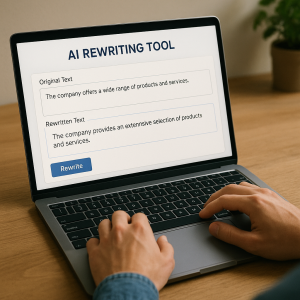 For years, writing software mainly focused on grammar. It helped catch typos, clean up clunky sentences, and polish punctuation. Tools like Grammarly and Microsoft Word’s spellcheck were helpful, but limited. They could tell you


 Software, sometimes seen as technical and abstract, gains much from a human touch. SMM lets businesses highlight the people behind their products, tell relevant tales, and show the actual influence of their programs. This develops a devoted community and promotes trust.
 If you’ve recently upgraded to Windows 11 or are planning to, you might
 Although looking for fast fixes can be appealing, real success on Instagram comes from developing a real and involved audience. The best moral and environmentally friendly approach to reach this is through organic growth. However, you may also have the option to buy Instagram followers.
 Getting a domain name is key for any business wanting an online presence, but it can involve legal issues, especially with trademarks and disputes. Knowing the legal aspects of domain names helps you avoid conflicts and protect your brand. This article covers trademark laws, common disputes, and what to do if your desired domain is already trademarked.
 These days, you’re likely to see them in the form of photo cards, which are essentially just plastic cards that feature the holder’s picture and personal information. Despite their dwindling numbers, paper licenses are still in use in some countries, including Europe, Brazil, Chile, Hong Kong, and others.
 A website must be prepared thoroughly before it can be launched. A lot of work goes into the project, including deciding on an OS and hosting package, but there are a few other details to iron out before you can choose the right option.
 An invitation to trial or purchase the new version of Office may appear in a pop-up window if you’re using an earlier, non-subscription version of Office. Easy installation of the upgrade is possible if you follow the on-screen instructions. Additionally, the Microsoft Store makes it easy to update from previous versions that do not require a subscription.
 Counting your social media followers provides you with valuable insights into your audience and their preferences.
 Viruses, spyware, adware, trojans, and other nasty software are malicious.We’ll discuss each sort of dangerous software and how to avoid or fix it.